








Texas Border Business

By Air Force Senior Airman Victoria Nuzzi, 39th Air Base Wing
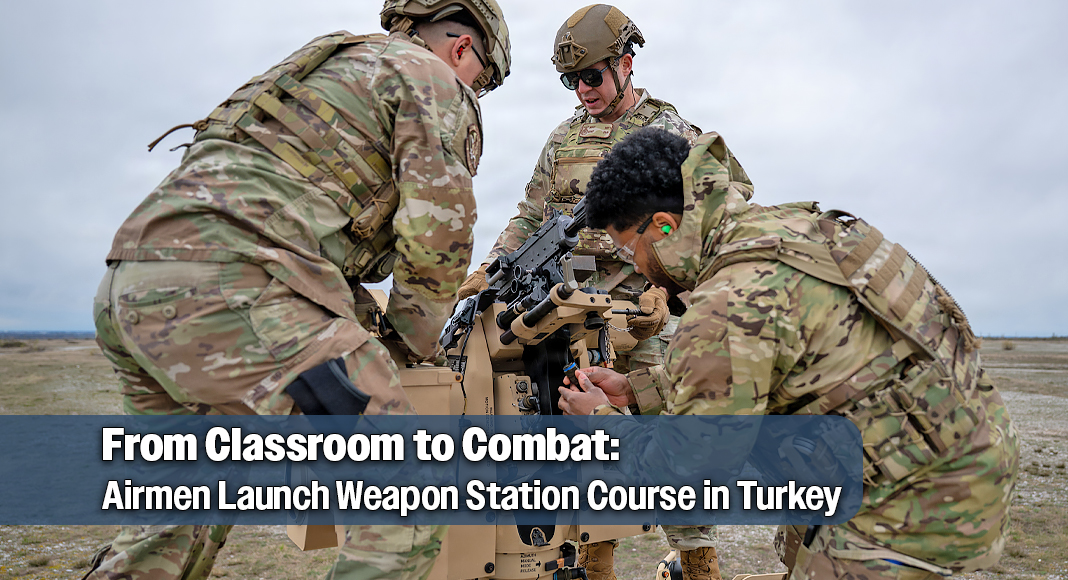
The 39th Security Forces Squadron certified airmen on the Common Remotely Operated Weapon Station for the first time at Incirlik Air Base, Turkey, last month, supporting the 39th Air Base Wing’s goal for airmen to be trained, equipped and ready.
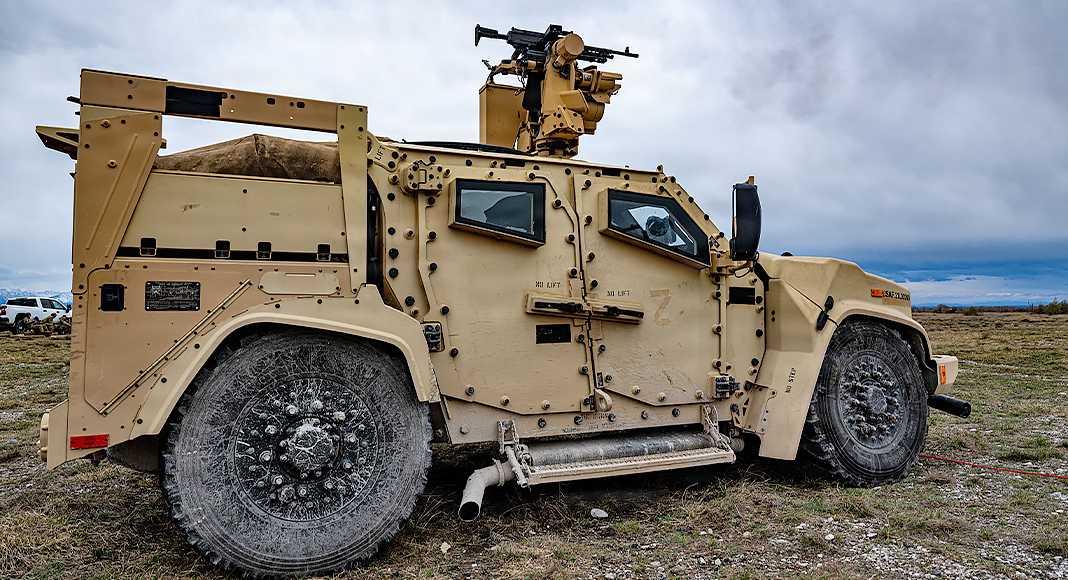
While the CROWS system allows airmen to control a mounted weapon from inside an armored vehicle, it is also essential for members of the 39th SFS to continually adapt and become proficient in its operation. The wing remains focused on providing diverse training opportunities that better equip its personnel for a variety of operations.

This was the first class conducted in-house at Incirlik since the squadron received instructor training at the U.S. Air Forces in Europe CROWS instructor course at Aviano Air Base, Italy, last year.
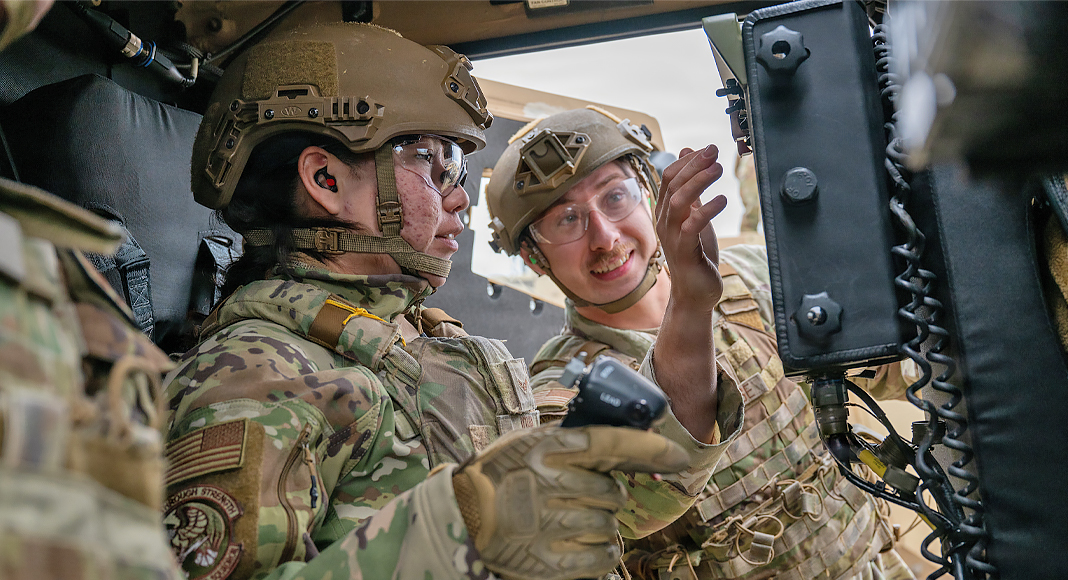
“The CROWS course enhances the combat readiness and depth of our defenders,” said Air Force Staff Sgt. Quinton Burts, the squadron’s course chief and program manager. “A CROWS-qualified team can respond to threats faster and more accurately while remaining protected.”
The training certified the airmen on the M240B and M249 light machine guns, using a CROWS system attached to a Joint Light Tactical Vehicle.
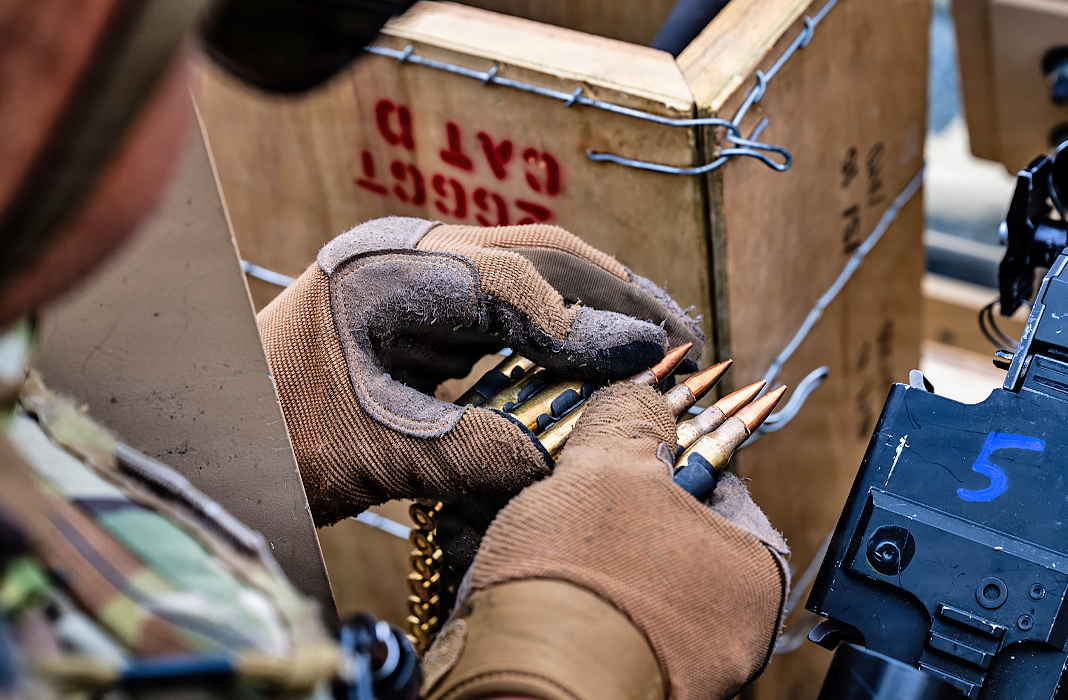
Air Force Senior Airman Ahmaad Fallon, a response member assigned to the 39th Security Forces Squadron, prepares ammunition for firing during a Common Remotely Operated Weapon Station certification training at Cellina Meduna Range, Italy, March 26, 2026. Preparing ammunition for loading reinforces the fundamentals required to safely employ the platform and sustain credible force protection during high-risk response scenarios. Photo credit: Air Force Staff Sgt. Thomas Sjoberg via US DOW
After completing four days of internal classroom instruction — covering system fundamentals, operational procedures, maintenance and troubleshooting — the airmen transitioned to live-fire training. The 31st Security Forces Squadron Combat Arms Training and Maintenance hosted this final portion, providing the range, equipment, weapons and safety oversight needed for the certification.
“This training is now a core part of our unit’s training plan,” Burts said. “As new defenders arrive, they will be scheduled for this course to ensure our forces are 100% qualified and combat-ready on this critical weapons system.”