







Texas Border Business

Texas Border Business
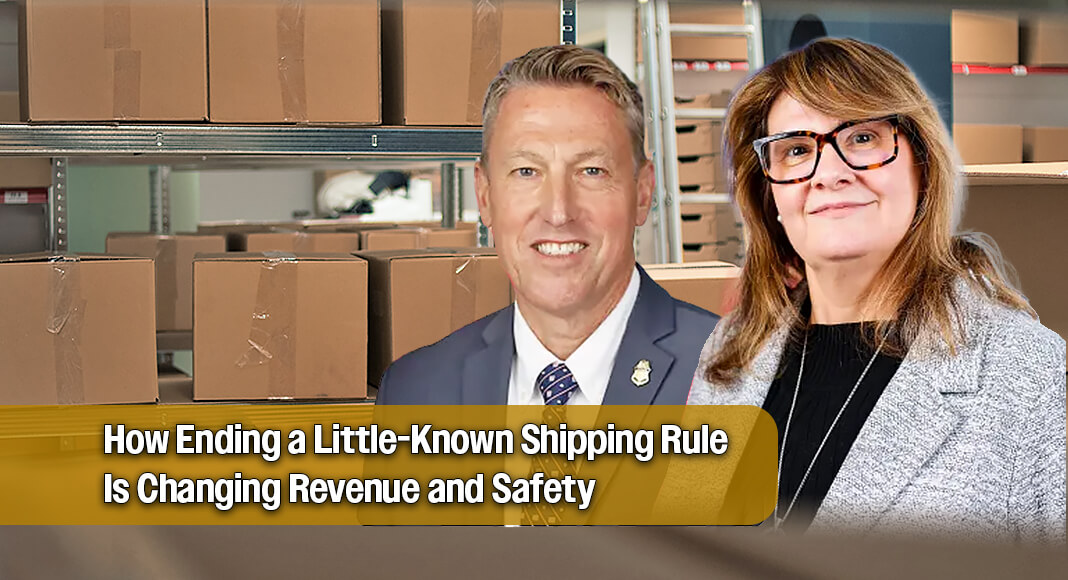
Customs and Border Protection (CBP) said on Dec. 17 that it has collected more than $1 billion in duties in just months after the United States began ending a long-standing duty-free shipping rule. The revenue came from more than 246 million low-cost shipments that had previously entered the country duty-free.
“Reaching the $1 billion milestone so quickly shows just how much revenue was slipping away under the old rules,” CBP Commissioner Rodney S. Scott said in a statement.

The rule, known as de minimis, allowed low-value shipments to enter the United States without paying duties. For years, this exemption applied to massive volumes of packages shipped directly to American consumers from countries around the world. While the rule was designed to speed up trade and reduce paperwork, the scale of global e-commerce changed how it worked in practice.
The Trump Administration began phasing out de minimis on May 2, 2025, starting with shipments from China and Hong Kong. Those packages were no longer eligible for duty-free entry. On Aug. 29, 2025, the exemption was eliminated worldwide.
The rapid collection of $1 billion in duties highlights how much money the United States was not collecting under the previous system. The volume of shipments shows the global nature of the issue. Millions of packages were arriving daily from overseas sellers, often without the same scrutiny or costs faced by traditional imports.
CBP officials say the change is not only about revenue. Since the de minimis ended for China and Hong Kong, CBP reported an 82% increase in seizures of unsafe and non-compliant low-value goods. The seized items included counterfeits, narcotics, faulty electronics, and goods containing hazardous chemicals.
“With increased visibility into data for these low-value shipments, we’re better equipped to detect and disrupt criminal networks from smuggling drugs, counterfeits, and other illegal items—making our country safer,” said Susan S. Thomas, Acting Executive Assistant Commissioner for CBP’s Office of Trade.
The end of de minimis means shipments that once passed through with limited oversight are now subject to duties and more detailed review. CBP says this improves enforcement and creates a more level playing field for U.S. businesses that already pay duties and comply with safety rules.
The administration’s move shows how trade rules written for a different era can have significant consequences when global shipping patterns change. CBP’s figures suggest that billions in revenue and enforcement opportunities were lost as low-value imports surged from countries around the world.
Now, with duties collected and inspections increasing, federal officials say the system more accurately reflects the accurate scale of modern trade. As Commissioner Scott said, the speed at which the billion-dollar mark was reached shows “just how much revenue was slipping away” before the rule was changed.